
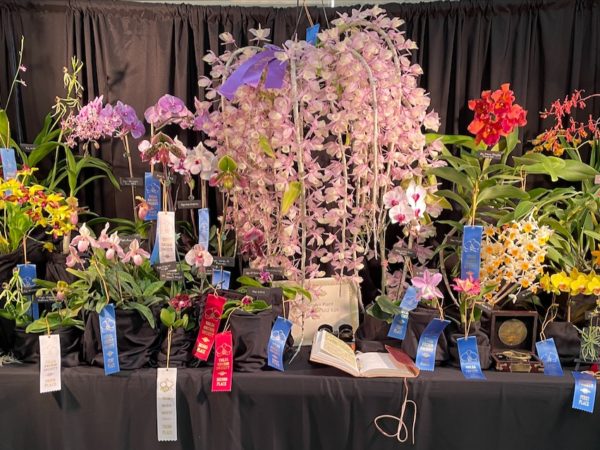
Thank you to our wonderful OOS Exhibit Team — Jana Butcher, Catherine Chance, and Gerry Holland — and to the OOS members who contributed their
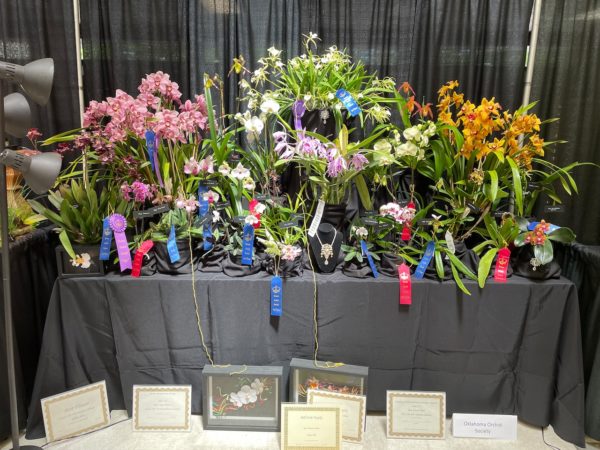
OOS Exhibit Wins Awards at KOS Show
Thank you to our wonderful OOS Exhibit Team — Jana Butcher, Catherine Chance, Bill Parker, and Janice Wiechman — and to the OOS members who
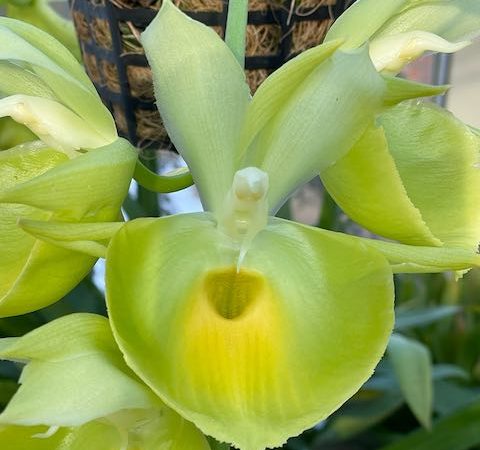
When to Start Watering Catasetinae
The following article is reposted with permission from Fred Clarke of Sunset Valley Orchids. Interpretive photos by Douglas Needham. It’s officially spring, and your Catasetinae
OOS Member Receives Award at AOS Centennial Celebration
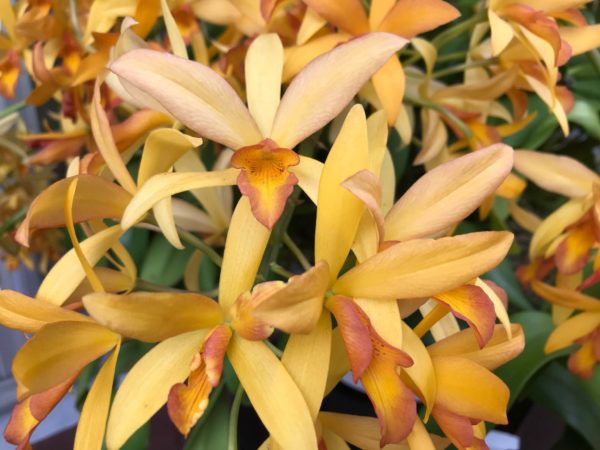
OOS member Claire showed her Cattlianthe Trick or Treat ‘Claire de Lune’ (what a fitting name!) at the AOS Spring Members Meeting and Centennial Celebration
Read MoreOOS Member Receives Award at AOS Centennial Celebration
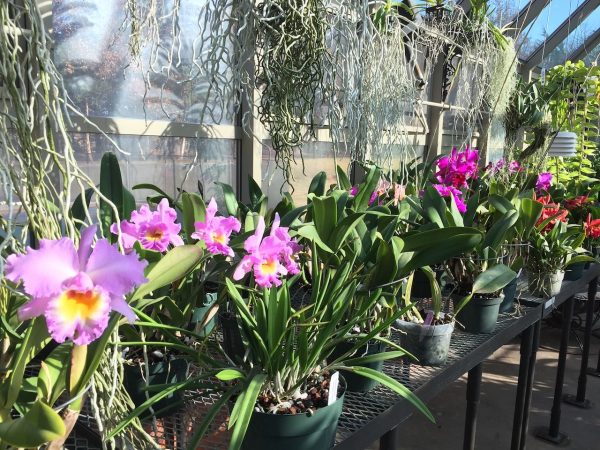
Glasshouse Orchid Tour with Linda Vater
I was delighted to host garden writer and blogger Linda Vater and her videographer, Stewart, for a tour of Jackie’s and my glasshouse collection of
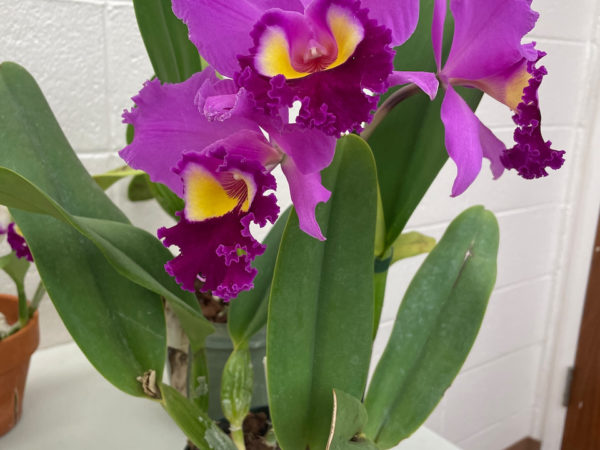
September “Show Table” Photo/Video Blog
OOS members love to bring their beautiful orchids to the monthly meeting’s “show table” and share with others their cultural techniques for growing such specimens.
Rare Orchids in London
A colony of rare orchids has been discovered growing on the rooftop of an office building in the City of London. Read more in BBC
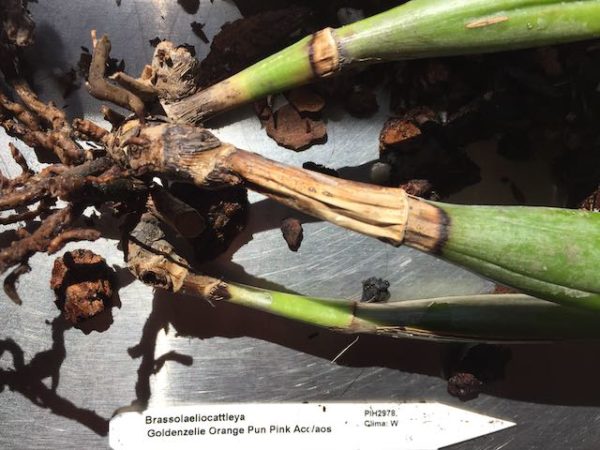
Preventing Orchid Diseases
Orchids are susceptible to diseases, too! Bacterial, fungal, and viral diseases can decimate a collection quickly; however, inspecting (scouting) your collection frequently, practicing good sanitation,
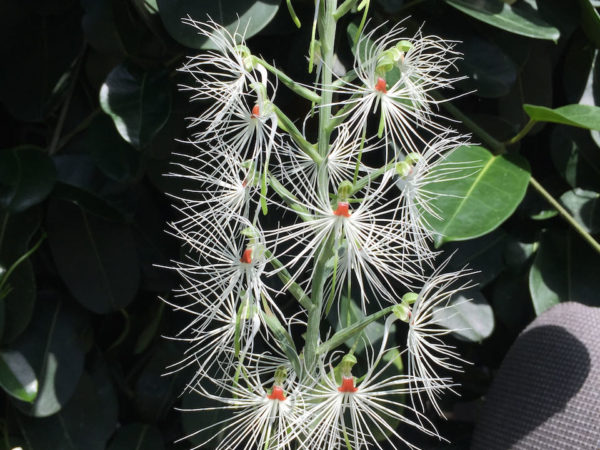
Habenaria medusa Culture
Habenaria medusa is unusual among orchids in that it goes completely dormant over the winter. Following flowering, which in my warm glasshouse in Oklahoma tends
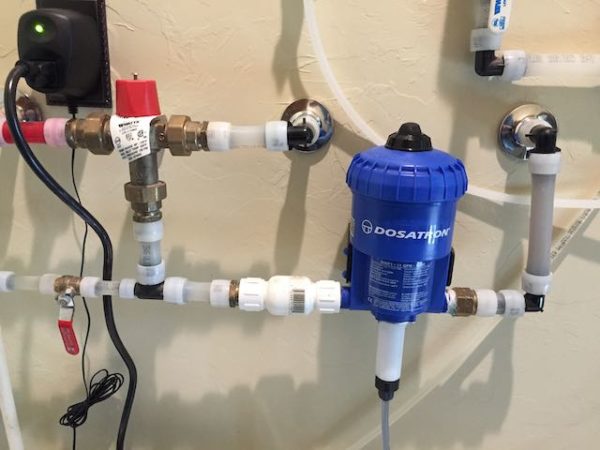
Fertilizing Orchids
There are probably as many opinions on fertilizing orchids as there are days in a year! “How often should I fertilize?” and “How much fertilizer